Summary
Recognizing the signs parent needs assisted living can help you determine when it's time to discuss additional support with your aging parent. Understanding these warning signals allows families to plan ahead and ensure their loved one receives appropriate care before a crisis occurs.
- Daily tasks like bathing, dressing, meal preparation, and housekeeping become noticeably difficult or neglected
- Memory changes affect safety, including missed medications, forgotten appointments, and confusion about familiar routines
- Falls, mobility problems, or balance issues increase in frequency, signaling home safety concerns
- Social isolation and withdrawal from activities can impact mood, appetite, and overall quality of life
- Medication management becomes confusing, with missed doses, expired pills, or difficulty tracking prescriptions
Recognizing when your parent needs help can be one of the hardest decisions an adult child faces. Many families struggle with knowing when a parent needs care, especially when changes happen slowly. A missed meal here, a fall there, or a growing stack of unopened mail can be easy to explain away until safety becomes a real concern.
If you're wondering, "When can a senior not live alone safely?", start by looking at patterns. The following signs parent needs assisted living can help you decide when it may be time to talk about more support.
1. Daily Tasks Are Becoming Harder to Manage
A change in everyday routines is often one of the first indicators mom needs help. These shifts may seem small at first, but they can affect health, comfort and safety over time.
Watch for signs such as:
- Unwashed dishes or laundry piling up
- Spoiled food in the refrigerator
- A noticeable decline in personal hygiene
- Trouble bathing, dressing or grooming
- Difficulty preparing balanced meals
- Missed housekeeping or home maintenance tasks
These parent safety concerns at home can be a sign that daily life has become too much to manage alone.
2. Forgetfulness Is Creating Safety Risks
Occasional forgetfulness is common with age, but memory changes that affect safety deserve attention. Families may notice that a parent is missing appointments, forgetting medications or becoming confused about once-familiar routines.
Concerning signs may include:
- Missed medical appointments
- Forgotten or mixed-up medications
- Appliances left on
- Repeated confusion about time or place
- Bills left unpaid
- Getting lost in familiar areas
When memory changes begin to affect daily safety, it may be time to consider whether living alone is still the right fit. A senior living community can provide regular routines, familiar faces and team members nearby to offer support throughout the day.
3. Falls or Mobility Changes Are Happening More Often
Falls are one of the clearest signs that home safety may be changing. Even one fall can lead to injury, hospitalization or a loss of confidence. If your parent is holding onto furniture while walking, avoiding stairs or showing unexplained bruises, take it seriously.
A senior living safety checklist should include mobility concerns such as:
- Trouble getting in and out of chairs
- Difficulty using stairs
- Unsteady walking or balance problems
- New fear of bathing alone
- Bruises, soreness or injuries from falls
- Trouble keeping up with home chores
At LakeHouse Kalamazoo, apartment homes include helpful features such as illuminated entryways, smoke detectors and a sprinkler system throughout the community. Residents also have access to comfortable shared spaces, lounges, an activity room, and assistance with scheduling transportation.
4. Social Isolation Is Affecting Their Well-Being
Loneliness can be easy to miss, especially if your parent says they're “fine.” But if they rarely leave home, have stopped attending events, or seem less interested in hobbies, it may be time to look closer.
Social withdrawal can happen gradually as friends move away, a spouse passes, driving becomes harder, or household responsibilities take more energy. Over time, isolation can affect mood, appetite, and overall quality of life.
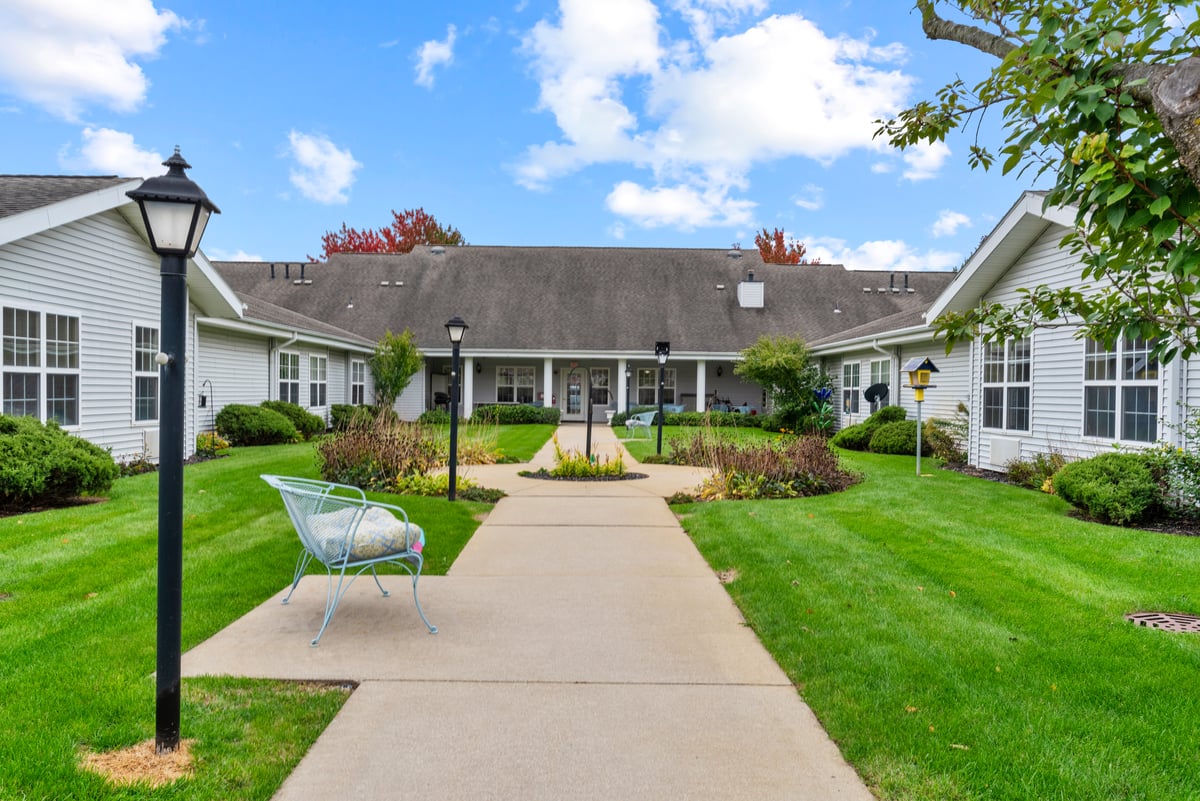
LakeHouse Kalamazoo offers a neighborly setting with built-in opportunities for connection. Residents can take part in community outings, social and recreational programs, wellness programs, movies, live entertainment, bingo, chess club, and exercise. The pet-friendly community also features a private courtyard where residents can garden, relax, and spend time outside.
5. Medication Management Has Become Confusing
Managing medications can become difficult, especially when prescriptions change or dosing schedules are complicated. Missed doses or duplicate medications may point to a growing need for support.
Look for warning signs such as:
- Expired medications in cabinets
- Pills left in the wrong place
- Skipped or doubled doses
- Confusion about timing
- Multiple prescriptions that seem hard to track
For many families, medication issues are among the most serious parent safety concerns at home. In a senior living setting, reminders and daily support can help create more consistency and peace of mind.
How to Use a Senior Living Safety Checklist
If you're unsure what to do next, write down what you're seeing. A simple senior living safety checklist can help you move from worry to a clearer plan.
Consider these questions:
- Is your parent eating regular meals?
- Are they bathing, dressing and grooming consistently?
- Are medications being taken correctly?
- Has your parent fallen or nearly fallen?
- Is the home clean, safe and easy to move through?
- Do they have regular social connection?
- Would daily support make life safer and less stressful?
The goal isn't to take over. It's to understand what kind of support could help your parent feel more secure, connected, and cared for.
Making the Next Step Feel Less Overwhelming
Knowing when a parent needs care is emotional, but early conversations can help families plan before a crisis. Try to focus on what matters most to your parent: comfort, familiar routines, dignity, and staying connected to people and places they know.
LakeHouse Kalamazoo provides Assisted Living in Kalamazoo, MI, with personalized care plans, a full-time nurse available 24 hours per day for clinical oversight, and a comfortable community setting. Our community offers suite and one-bedroom apartment options, kitchenettes, generous closet space, scheduled transportation assistance, salon services, and programs that help each day feel more familiar and engaging.
Frequently Asked Questions
What Are the Most Common Signs Parent Needs Assisted Living?
Common signs include missed medications, falls, poor nutrition, trouble bathing or dressing, confusion, isolation, and difficulty keeping up with household tasks. One concern may not mean a move is needed, but several concerns together can signal that more support would help.
When Can a Senior Not Live Alone Safely?
A senior may not be safe living alone when daily tasks, mobility, medication management, or memory changes create ongoing risks. If family members are worried about safety most days, it may be time to explore assisted living options.
How Can I Bring up Assisted Living With My Parent?
Start with care and respect. Share what you have noticed, ask how they are feeling, and focus on support rather than loss. Visiting a community together can make the idea feel more familiar and less overwhelming.